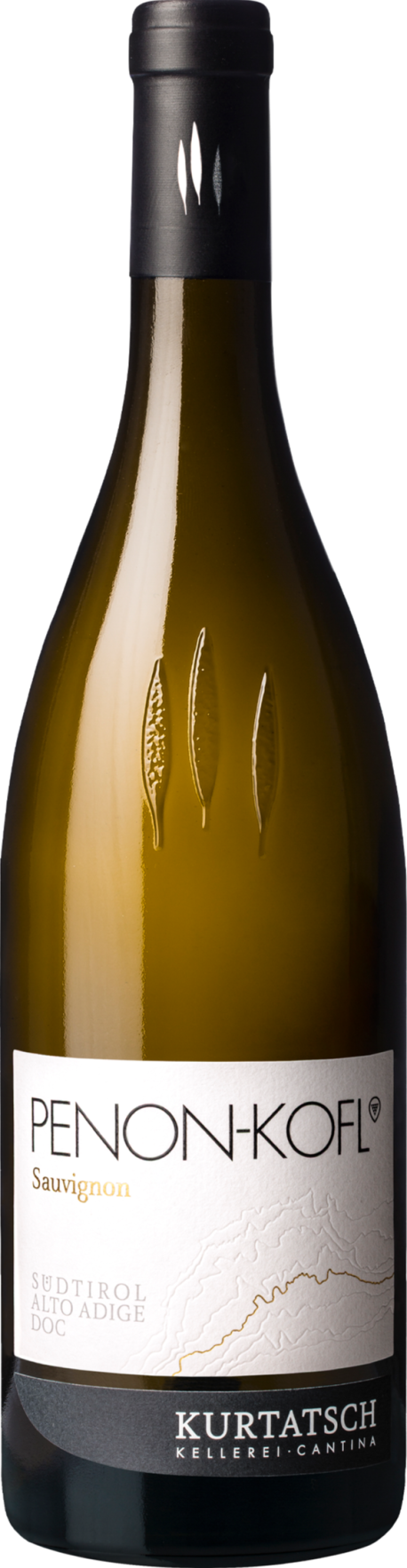
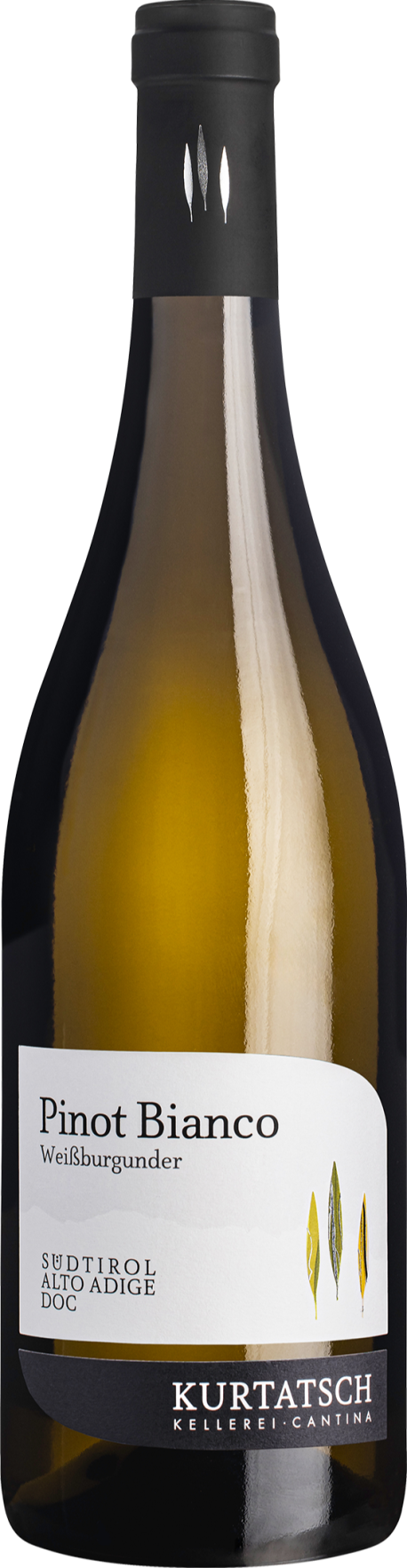
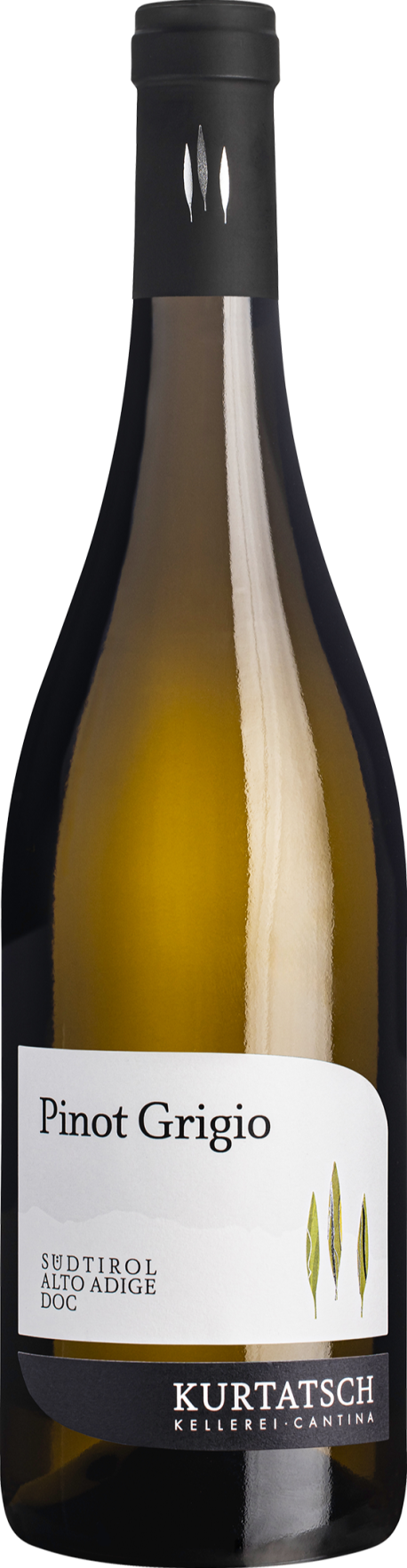
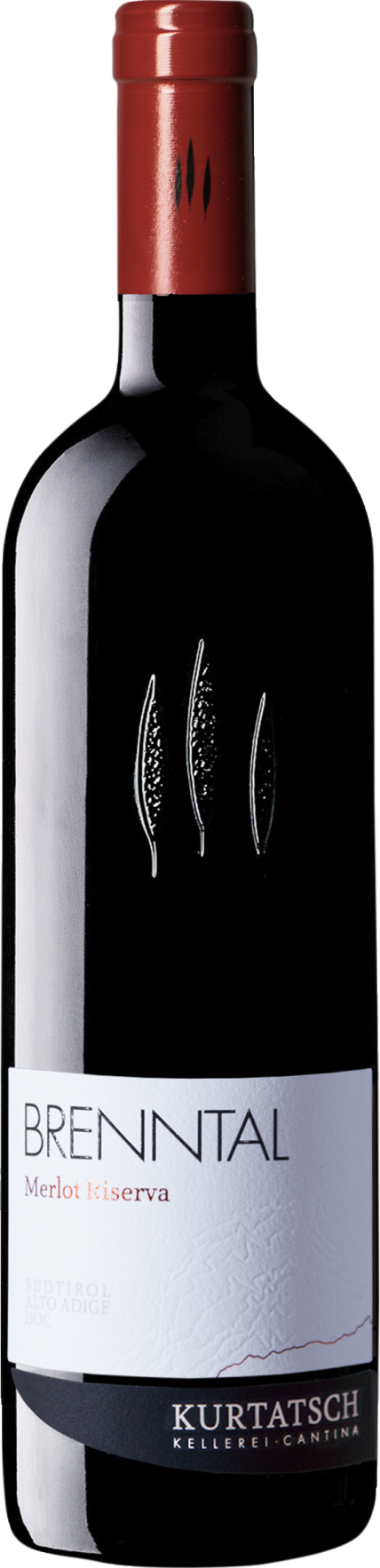
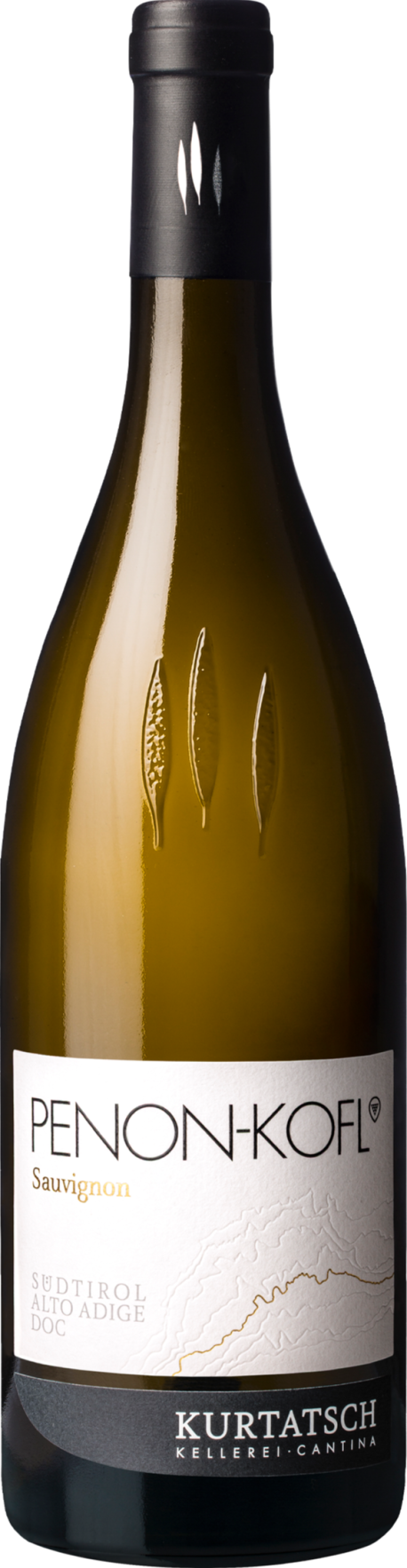
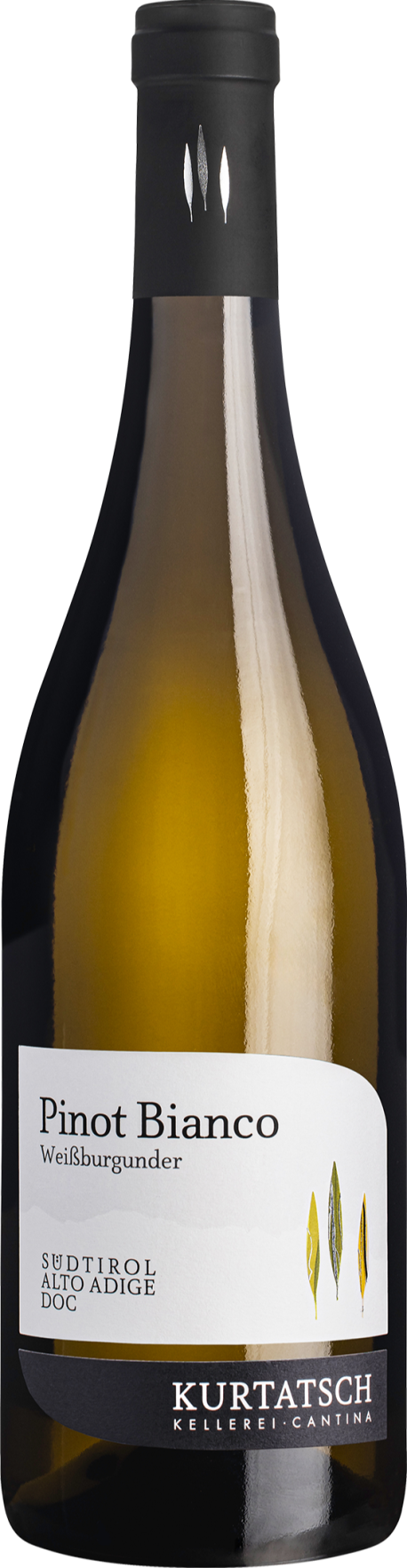
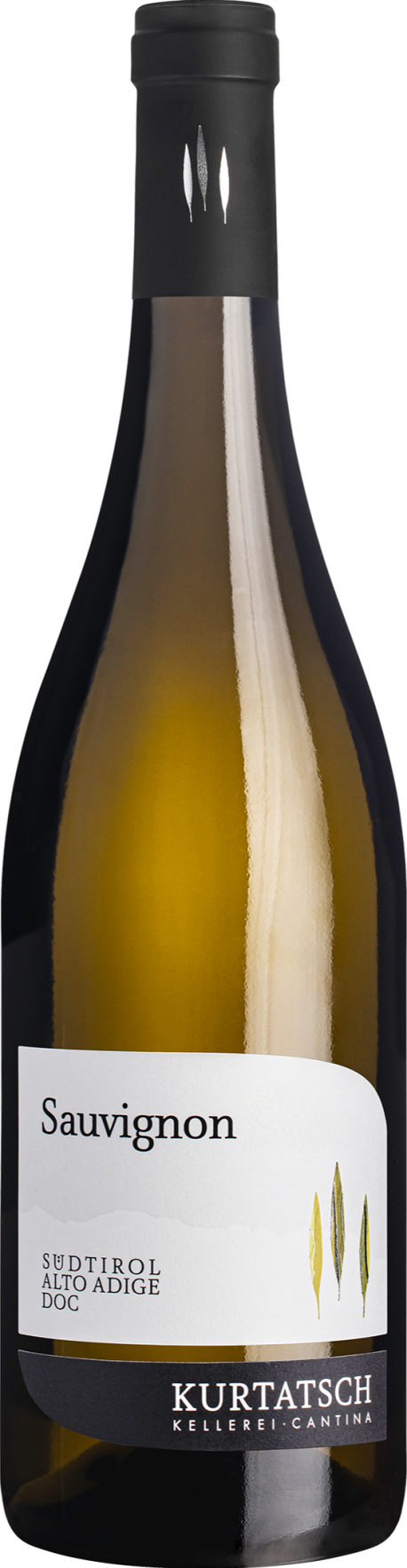
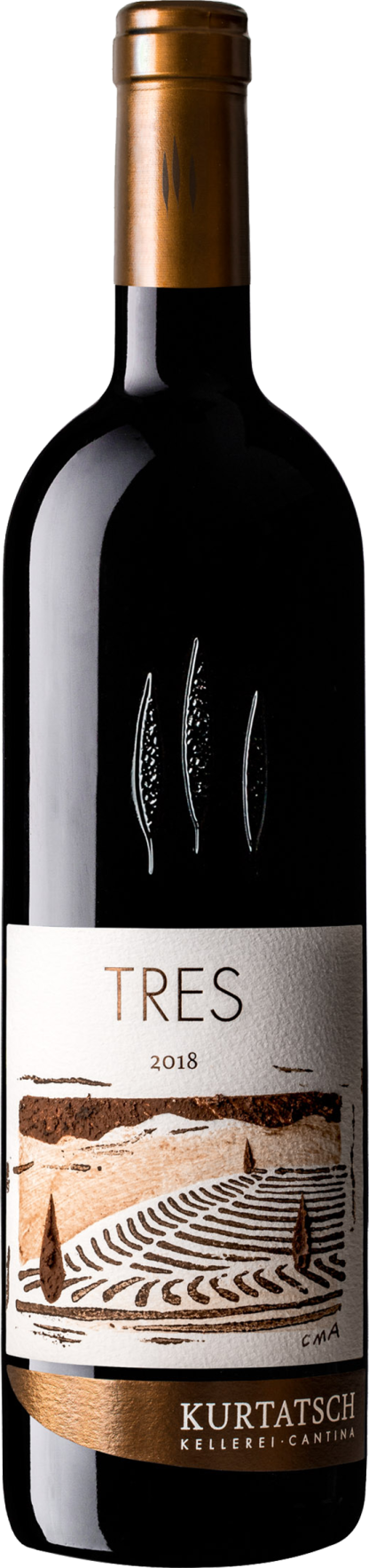
“A wine has to reflect the place it comes from — even when that does not match the prevailing fashion. Because fashions pass; the vines remain.”
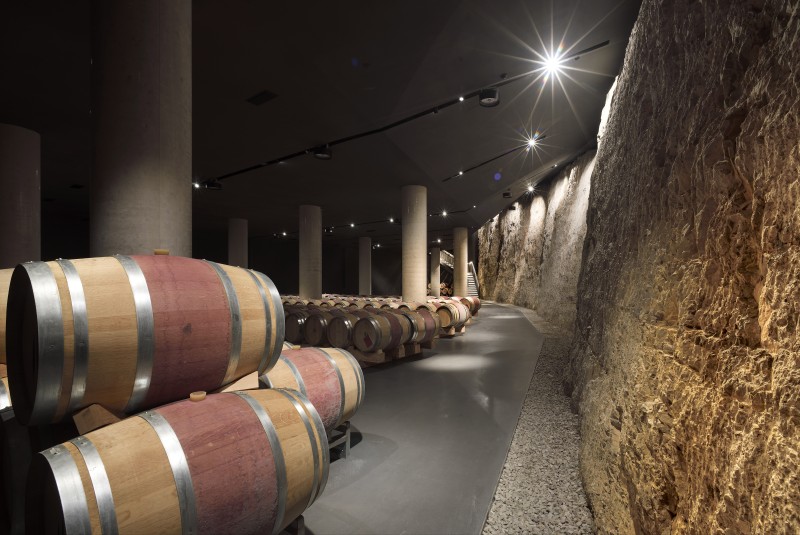
That is how cellar master Erwin Carli sums up the course Kellerei Kurtatsch is on. The place he speaks of is, by the winery’s own account, unique in Europe: nowhere else is viticulture practised across such a great difference in altitude within a single municipality — from 220 to 900 metres, across the steep slopes around the village of Kurtatsch on the South Tyrolean Wine Road.
On 13 May 1900, forty-two growers joined forces to hold their own on the market; in 2025 the winery celebrated its 125th anniversary. Today 190 member families farm 190 hectares of vineyard. They are also the owners of the house, with Andreas Kofler as president. Carli worked here from 2013 as agronomist and deputy oenologist before succeeding Othmar Donà, who shaped the Kurtatsch style for thirty years; 2024 is the first vintage made entirely under his own hand.
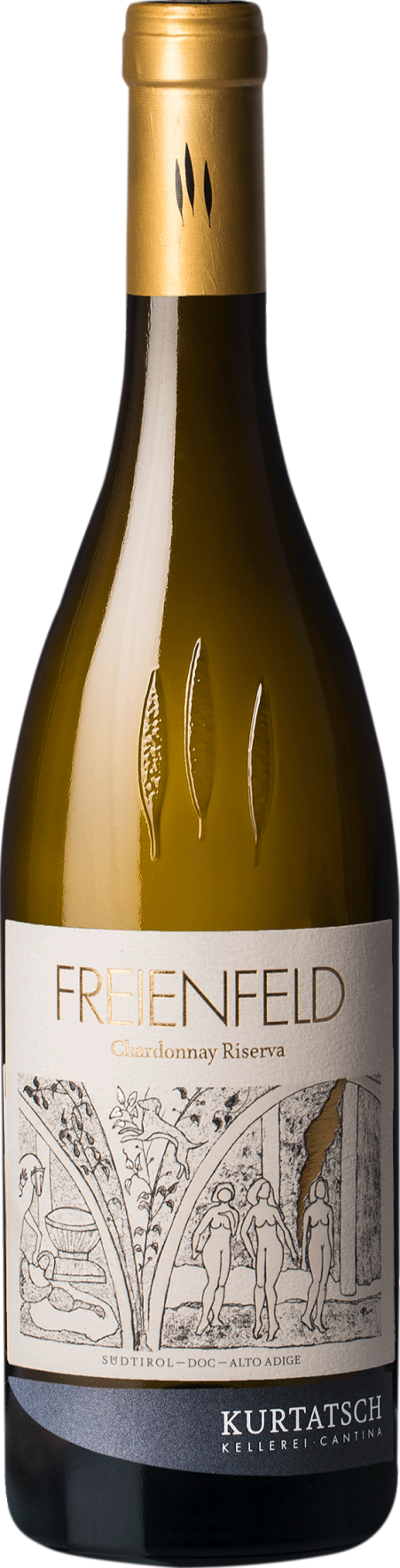
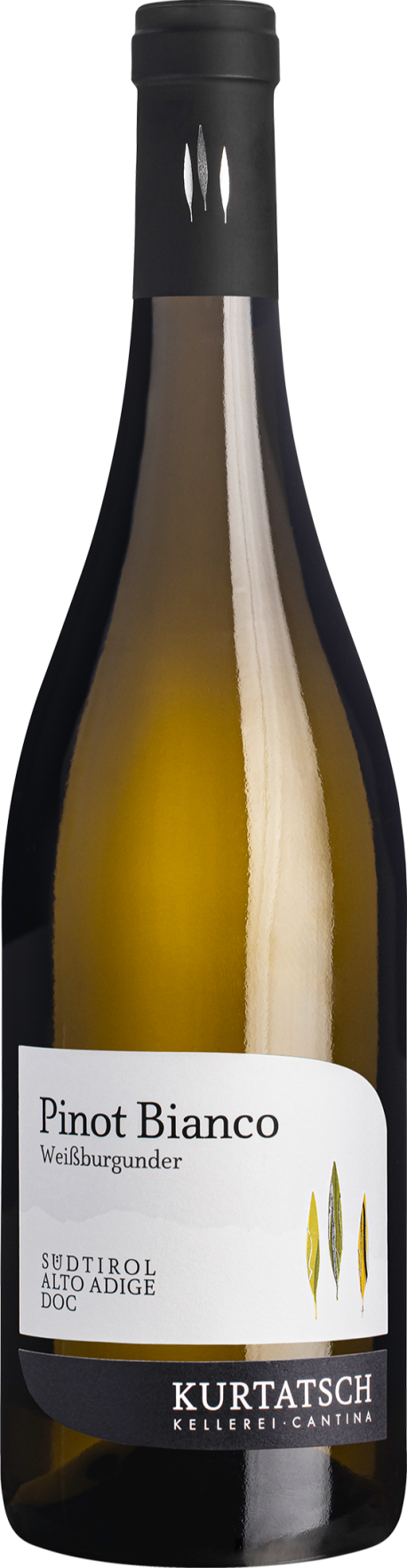
Here the difference in altitude is not an anecdote but the organising principle. At the foot of the slope, in the warm Brenntal at 220 to 300 metres, Merlot and the Bordeaux varieties thrive on red sandy loam. Higher up the mountain — Mazon, Penon, Hofstatt, Kofl, Glen — the plots lie on free-draining dolomite and limestone, where Pinot Bianco, Sauvignon Blanc and Chardonnay draw their tension and minerality. At Graun, between 800 and 900 metres, the harvest comes in a month later than on the valley floor.
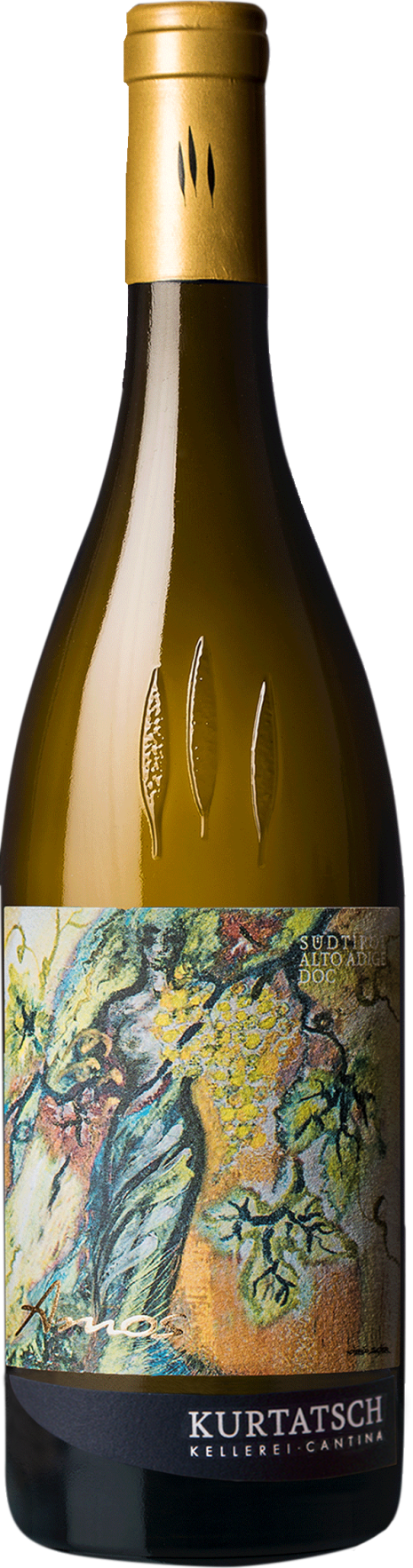
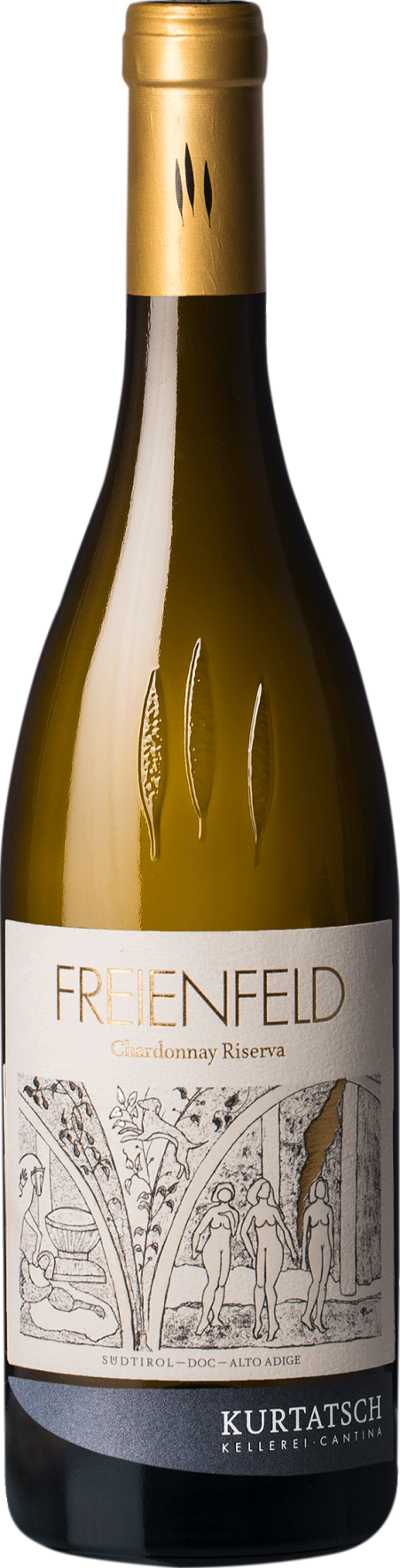
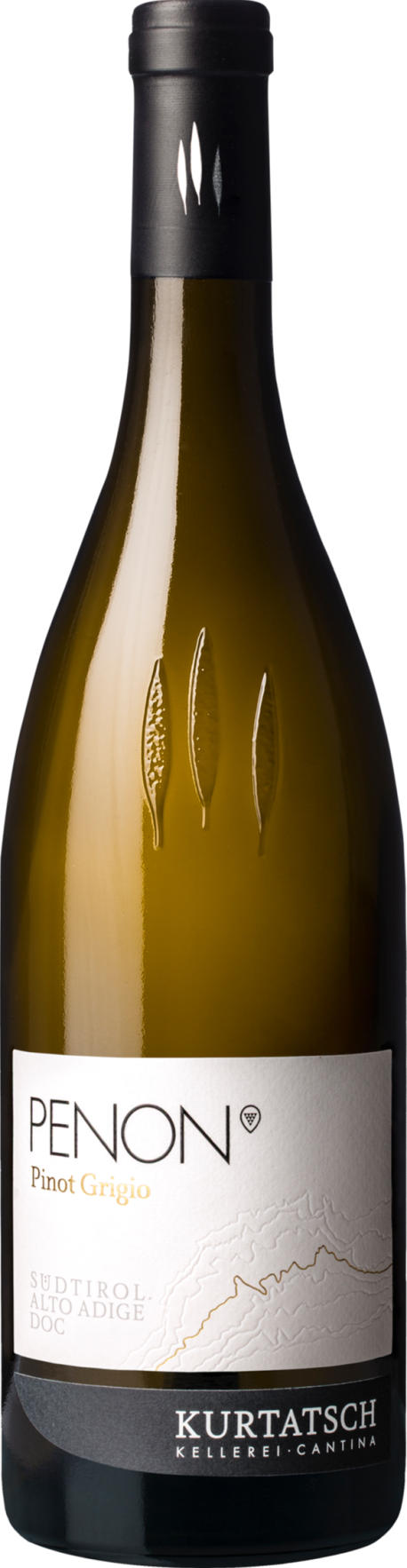
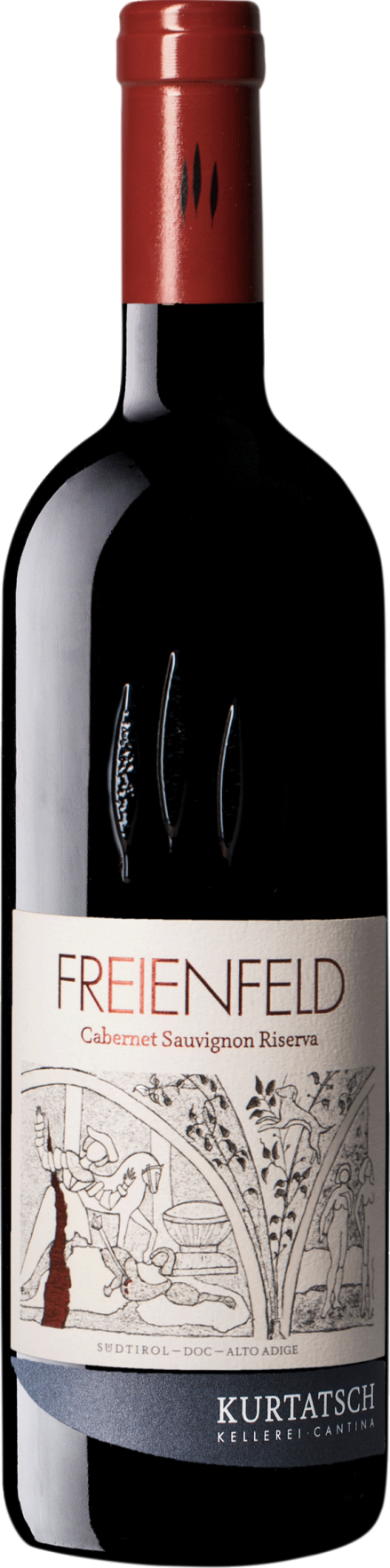
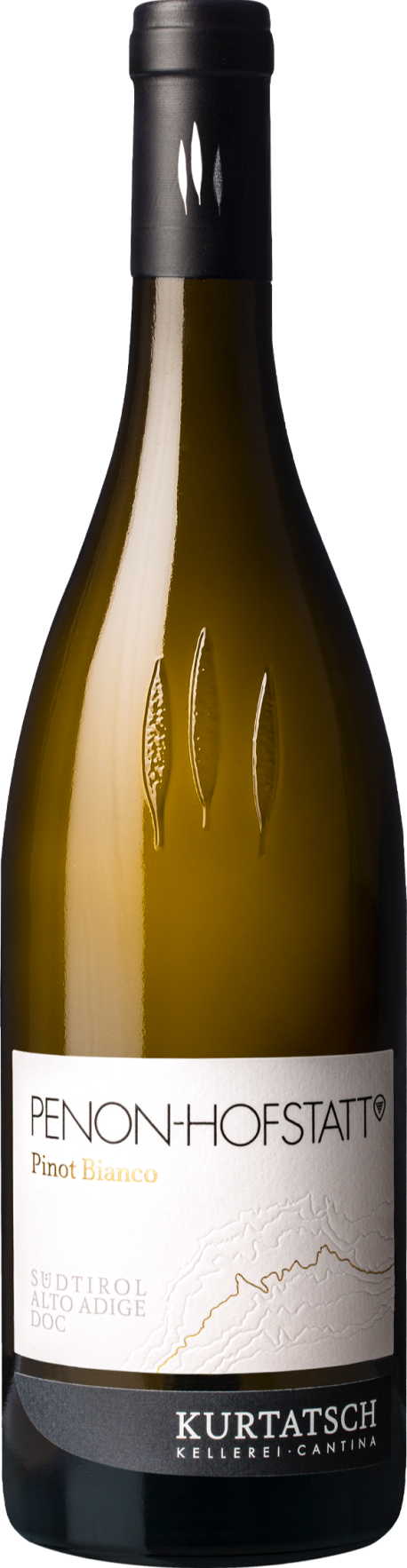
The result is a range that resists a single style, and does not aim for one. Nine wines come from eight separate sites, and each carries the name of its origin: the whites fresh, precise and unadorned, the Riservas from the lower sites ripe and structured. Anyone wanting to taste the full altitude profile of this municipality can do so at this one house.
 Exclusive wines from around the world